Ganesha is also known as Ganapati, Vinayaka and Vighnaharta by his devotees and holds a special place in their hearts. He is easy to recognise with his elephant head, large ears, big belly and soothing, calming eyes. But behind this unique form lies a story — a combination of wisdom, strength and promise of new beginnings.
The Birth of the Elephant-Headed God
There are many legends about how Ganesha came into being, but one of the most popular states that Goddess Parvati, the consort of Lord Shiva, created Ganesha from clay. She breathed life into him and told him to stand guard while she went inside to bathe. When Lord Shiva tried to enter, Ganesha, not knowing who he was, blocked his way. In a fit of rage, Shiva severed the boy's head. When Parvati came back from her bath, she was devastated by what had happened — she was heartbroken. Shiva wanted to console her and bring Ganesha back to life. He asked his followers to find the head of the first creature they saw, and this happened to be an elephant. The head was placed on Ganesha's body, and he was revived, becoming the beloved elephant-headed god we worship today.
Although the story seems simple, it holds a deeper meaning. Ganesha's birth teaches us about responsibility, loyalty, and sacrifice. Lord Ganesha's elephant head symbolizes wisdom, and his large ears remind us to listen more and speak less. His small eyes teach us to focus, and his trunk shows adaptability.
 Shop: Lord Ganesha Idol →
Ganesha the God of Beginnings
There is a special reason why Lord Ganesha is always the first to be worshipped in any religious ceremony. According to Hindu scriptures, Lord Shiva wanted to put his sons Ganesha and Karthikeya to test — he told them that whoever would circle the earth three times quickly and return would be loved by all. Karthikeya took his peacock and rode to complete his circles. But Ganesha simply circled his parents, Shiva and Parvati, and declared that they were his world.
Pleased with his wisdom and devotion, the gods agreed that Ganesha should always be worshipped first. Since then, he has been known as Pratham Pujya — the first to be honoured. His presence at the start of anything is believed to remove obstacles and bring success.
Ganesh Chaturthi
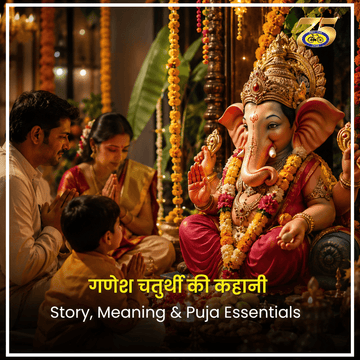
One of the most vibrant and loved festivals in India is Ganesh Chaturthi, celebrated with great joy and devotion. It marks the birth of Lord Ganesha and usually falls between August and September. People bring home beautifully crafted idols of Ganesha, decorate their houses and offer sweets like modaks — Lord Ganesha's favourite.
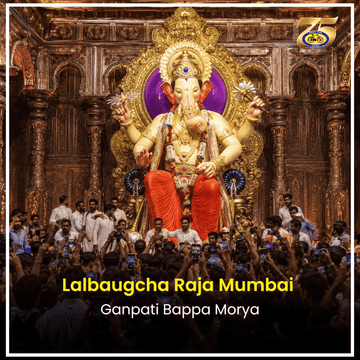
Families and communities come together to pray, sing devotional songs and share stories of his greatness. In cities such as Mumbai and Pune, grand pandals are set up with beautiful decorations. Devotees line up to catch a glimpse of their Bappa. The atmosphere is filled with chants of Ganapathi Bappa Morya. This beautiful festival ends with visarjan — the immersion of the Ganesha idol in water — which symbolises the cycle of birth and return to nature. It's a moment of both celebration and farewell, ending with a promise that Ganesha will be welcomed again next year with the same love and faith.
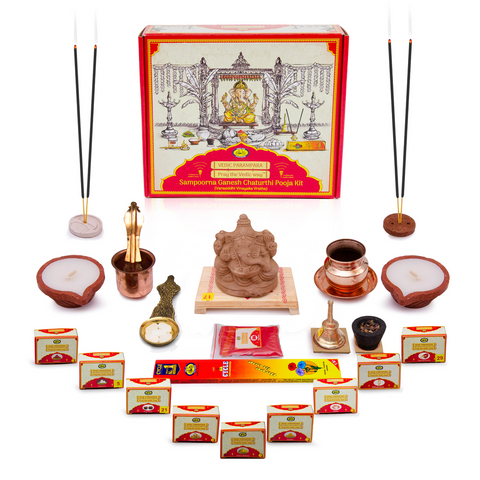
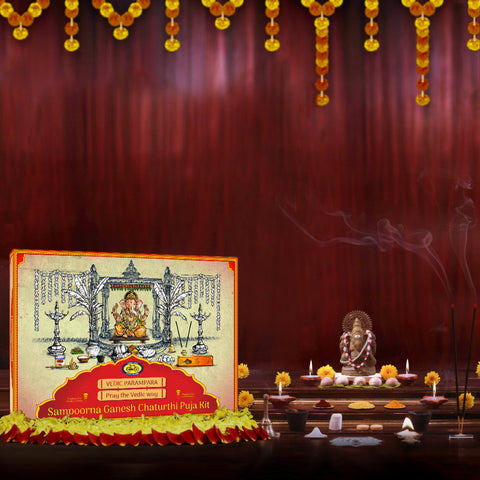
 Shop: Sampoorna Ganesh Chaturthi Puja Kit →
Lord Ganesha in Daily Life
Beyond festivals and rituals, Lord Ganesha continues to inspire people in their daily lives. His image can be found in homes, shops and cars. His teachings encourage us to stay grounded yet dream big, to be wise and keep going even when we encounter challenges. He rides a humble mouse, which shows that no creature is too small, and no problem is too big to handle. His broken tusk reminds us that even imperfection has beauty and meaning. Every part of his form has a message — a guide for how to live life with balance, purpose and joy.
 Shop: Ganesha Cloth Book for Kids →
A Symbol of Peace and New Beginnings
Lord Ganesha stands as a symbol of peace and calm. Whether we are starting a new job, moving to a new city or simply trying new habits, remembering Ganesha can give us the strength and wisdom we need. His stories remind us that every ending is a new beginning. The next time you start something new, take a moment to close your eyes, think of Ganesha, and rest assured that he will lead you with hope and clear your path of obstacles.