When we think of Sri Krishna, we often envision his beautiful smile, the flute in his hands, surrounded by the Gopis dancing in the gardens of Vrindavan under the shade of trees. We can also instantly think of his flute calming everyone around. We picture his love for cows, the lush greenery around, and the peacocks dancing around him.
We are reminded of his stories, especially as the 'Makhan Chor', the butter thief who would sneak curd and butter from pots at home and from the people around. But did you know that all these stories carry deep spiritual meaning and speak of the Lord's divine qualities?
Significance of Krishna's Flute
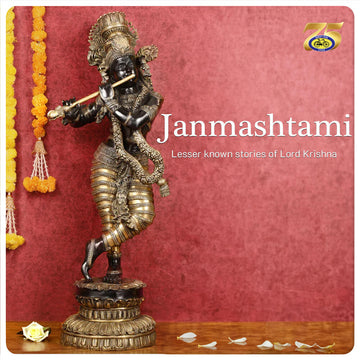
An image of Sri Krishna feels incomplete without his flute. We have all heard stories or read about how the sound of his flute was so soothing that even the birds and animals became calm. That flute wasn't just a musical instrument; it carried something deeper. Krishna's flute is one of the most meaningful symbols. It stands for the divine call, a sound that awakens the soul. The flute, made of simple bamboo, is quiet on its own but comes to life only when Krishna plays it.
In the same way, our hearts and minds feel truly alive when touched by love. The flute's melodies can also be seen as a spiritual awakening. It urges devotees to shed their arrogance, let go of ego, and surrender to God. In Vrindavan, the Gopis would leave everything the moment they heard Krishna's flute. It pulled them away from worldly worries and drew them towards devotion.
How Krishna's Flute Inspires Devotion Today
Even today, the flute reminds us that when we tune in to something greater through prayer, meditation, and kindness, we discover peace within ourselves. It also symbolises the sacred love shared between Sri Krishna, Radha, and the Gopis.
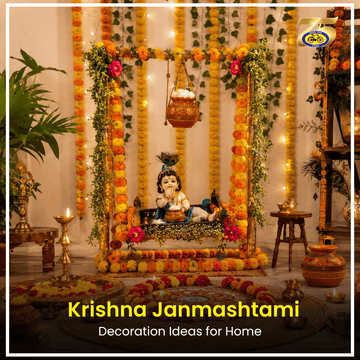
If you're planning your Janmashtami celebrations, explore our guide on Krishna Janmashtami Decoration Ideas for Every Home for simple jhula decoration ideas, flower decorations, and a practical Janmashtami puja checklist.

The Meaning Behind Krishna's Love for Butter
Benne kadda namma Krishna,
Benne kadhanamma
Surely, we all remember this beautiful bhakti geete from our childhood. The song beautifully talks about Sri Krishna's love for butter and how he would steal it.
The stories of Little Krishna stealing butter and his playful, mischievous nature are not just tales of a naughty child. Butter symbolises softness, purity, sweetness, and joy. Krishna's playful habit of stealing butter represents how he lovingly steals the hearts of his devotees.
His role as Makhan Chor teaches us that divine love reaches us in the most ordinary moments of life. It reminds us that devotion is not found only in grand rituals but also in simplicity, innocence, and unconditional love.

Symbolism of the Peacock Feather
An image of Sri Krishna is incomplete without his peacock feather. The peacock feather adorning Krishna's crown is more than just a beautiful ornament. It reflects beauty, harmony, wisdom, and divine presence.
Its vibrant colours and eye-like patterns symbolise awareness, protection, and spiritual vision. The feather also teaches us to embrace life with elegance, confidence, and joy, just like a dancing peacock.
It reminds us to appreciate the beauty around us, remain mindful, and find balance between the material and spiritual aspects of life.
Lord Krishna and Nature
Sri Krishna's love for cows, peacocks, and the environment symbolises oneness with nature. In Vrindavan, he tends cows, plays with deer, and has peacocks dancing freely around him. This harmony reminds us that spirituality also means protecting and respecting every living being.
His relationship with nature teaches that human life and the natural world are deeply connected. Caring for animals, trees, rivers, and the environment is also a form of devotion.
Bringing Krishna's Symbols into Your Janmashtami Celebration
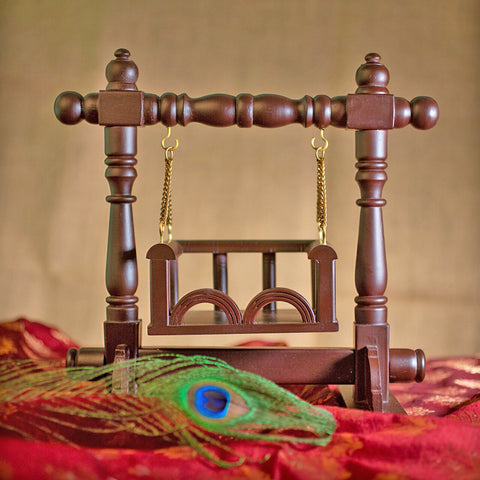
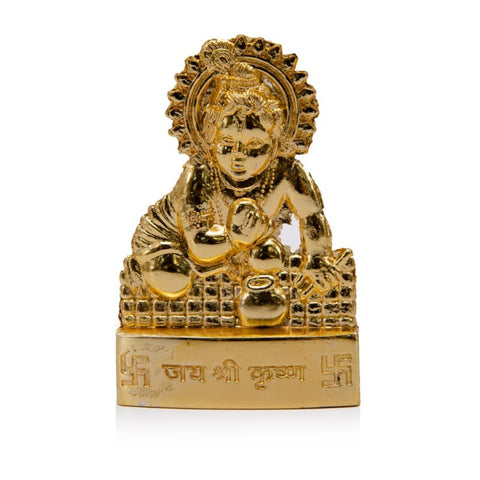
During Janmashtami, many families include these symbolic elements while decorating their homes and preparing for the midnight celebrations. A beautifully decorated Laddu Gopal jhula, fresh flower garlands, a flute placed beside the idol, a peacock feather on Krishna's crown, and an offering of makhan all represent the stories and teachings associated with Lord Krishna.
If you're looking for inspiration, our Krishna Janmashtami Decoration Ideas for Every Home guide shares practical decoration ideas, jhula styling tips, and easy ways to create a devotional atmosphere with traditional elements.

Create a Complete Janmashtami Puja Setup
Along with the symbolic decorations, a few carefully chosen puja essentials can help create a peaceful and devotional atmosphere at home.
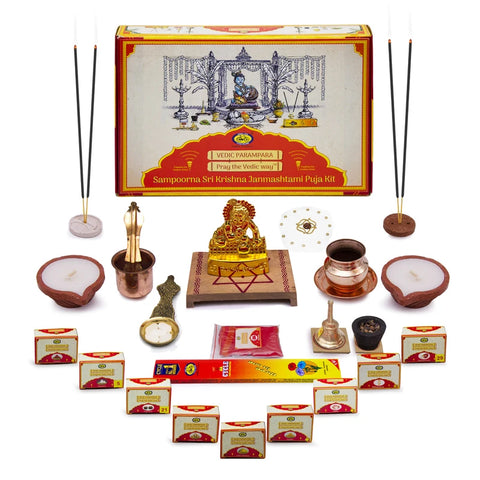
You can explore the Krishna Janmashtami Sale Collection, where you'll find:
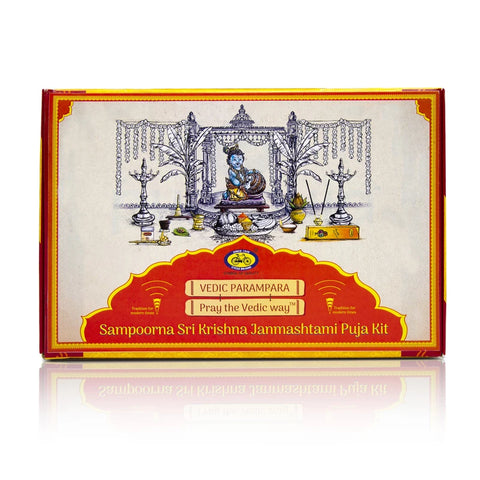
- 🪔 Sampoorna Shri Krishna Janmashtami Puja Kit
- 🎵 Bansuri Agarbatti, inspired by Lord Krishna's flute
- 🪈 Krishna idols and decorative jhulas
- 🙏 Traditional puja essentials
- 🌿 Incense and festive offerings curated for Janmashtami celebrations
Whether you're celebrating with a simple home altar or planning an elaborate puja, having everything in one place makes the preparation easier and more meaningful.

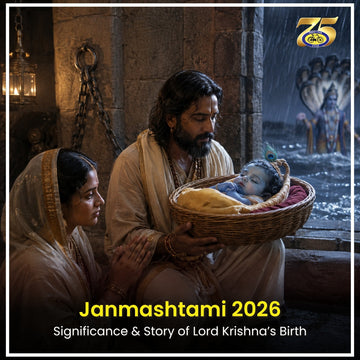
If you'd like to understand the festival itself in greater depth, read The Story of Lord Krishna's Birth, which explains why Janmashtami is celebrated and the significance of Krishna's midnight birth.
Why Krishna's Symbols Still Matter Today
Krishna's symbols continue to inspire millions of devotees because they represent timeless values rather than just mythology. The flute encourages us to listen with humility, the butter reminds us to keep our hearts pure and joyful, while the peacock feather teaches us to live gracefully and in harmony with nature.
These symbols become especially meaningful during Janmashtami, when families gather to celebrate devotion, gratitude, and the arrival of Lord Krishna into their homes.
Krishna's flute, butter, and peacock feather call us to hear the melody of love and to see beauty in all beings. These symbols remind us that the divine is never far away; it is present in our daily lives.
Krishna's life encourages us to find the sacred in everyday actions, in how we treat others, care for the world around us, and remain joyful despite life's challenges. The flute teaches us to stay open like bamboo so that divine music can flow through us. The butter reminds us that sweetness and devotion belong together. The peacock feather inspires us to carry ourselves with beauty, wisdom, and balance.
May these timeless symbols continue to guide us, not just during Janmashtami but throughout life's journey.