The Story of Lord Krishna's Birth
Lord Krishna's birth is one of the most celebrated stories in Hindu tradition, symbolising the triumph of good over evil. Born under extraordinary circumstances, his arrival fulfilled an ancient prophecy and marked the beginning of a journey that would inspire generations through his teachings, compassion, and divine play.

Heritage Agarbatti – Traditional Incense Sticks for Janmashtami Puja and Daily Worship
The Prophecy of Kamsa's Downfall
The eighth child of Devaki and Vasudeva, the Lord was born in prison around midnight in Mathura, located in present-day Uttar Pradesh. His birth was preceded by turmoil, as a heavenly voice had prophesied that Kamsa, the maternal uncle of Krishna, would be killed by Devaki's eighth-born.
The tyrant king slayed Devaki's first six children; Balarama, her seventh child, was born through the surrogacy of Rohini, Vasudeva's other wife. When Devaki delivered Krishna, Lord Vishnu revealed himself to the couple and instructed Vasudeva to take the newborn (Vishnu himself) to Gokula, swap the child with his friend Nanda's newborn daughter, and bring her back to prison.
Vasudeva's Journey to Gokula
As the divine play unfolded, the prison guards fell into deep slumber, Vasudeva's shackles fell away, and the prison door opened. Heavy rains lashed across Mathura, and the water levels of the Yamuna River rose high. Adi-sesha, the thousand-headed serpent on whom Lord Vishnu rests, raised his hood to form a protective umbrella for Vasudeva and the baby. Miraculously, the Yamuna calmed and made way for Vasudeva, allowing him to cross safely with baby Krishna and reach Gokula.
Krishna's Safe Arrival in Gokula
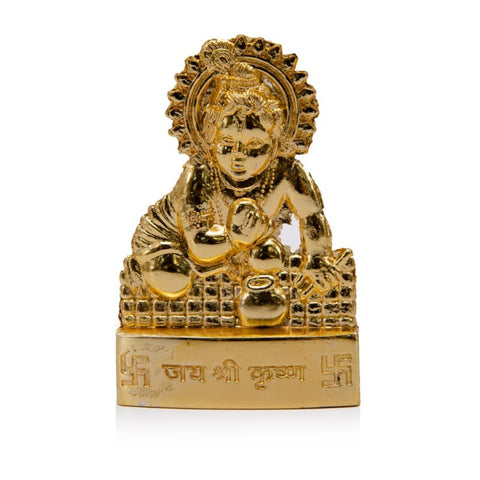
Nanda's wife Yashoda, who would go on to raise Laddu Gopal Idol, had just given birth to a girl child. Vasudeva quietly exchanged the infants and returned to prison with the girl child. When Kamsa learned that his sister had given birth to her eighth child, he seized the baby girl from them and hurled her against a rock. The baby revealed herself as Goddess Yogamaya and told Kamsa that his destroyer had already taken birth elsewhere. The goddess then disappeared.

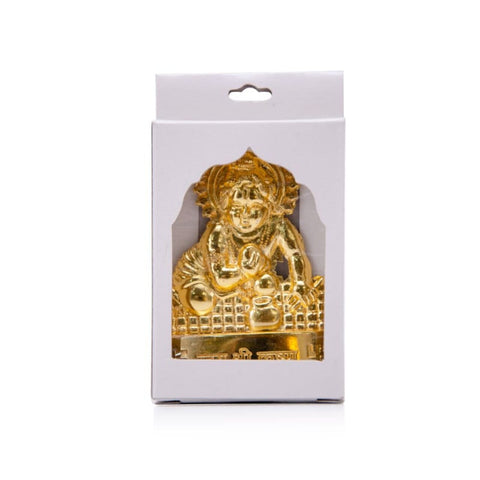
Laddu Gopal Idol – Sacred Bal Krishna Idol for Home Puja and Janmashtami Worship
Kansa sent demons to hunt for the newborn Krishna, but the Lord, in his infant form, killed every one of them. The childhood of Krishna is marked by several stories of innocent pranks, cows, cowherd friends, and the bond between Yashoda and Krishna, which became one of the most celebrated depictions of mother and son.
The story of Krishna's birth is filled with symbols that continue to inspire devotees today. From the divine flute to the butter pot and peacock feather, each element carries a deeper spiritual meaning. Learn more about Exploring Krishna's Symbols: What Do His Flute, Butter, and Feather Teach Us? to understand the significance of these iconic symbols.
How to Celebrate Janmashtami?
In Mathura and Vrindavan, people celebrate Janmashtami by observing a fast, Ratri Jagran (night vigil), and singing devotional songs throughout the night. They also perform dance dramas called Rasa Leela, enacting the life of Krishna.

Naivedya Cup Sambrani – Sacred Sambrani Cups for Janmashtami Puja and Home Worship
Dahi Handi Celebrations in Maharashtra
In places like Maharashtra, people celebrate Dahi Handi, the day after Janmashtami. Meaning a pot of curd, Dahi Handi is a community tradition that marks the Lord's love for curd, butter and milk and his legendary antics to steal them. Earthen pots of curd are hung high on tall poles. Young boys climb over one another to form a human pyramid and break the pot. The winning group is given a prize. In Gujarat, people perform dances and go out in groups singing in praise of the Lord.
Janmashtami Traditions in South India
In South India, people decorate their floors with Kolams. Small Krishna footprints made with rice flour or batter are drawn from the entrance of the house to the puja room, symbolising little Krishna entering the home. Little boys and girls are dressed up as Krishna and Gopis, respectively — explore our Ishta Kids Spiritual Toys Collection for festive dress-up ideas. Bhagavatham and Bhagavad Gita are also recited in Mandals (communities). A number of sweets and savouries, believed to be the deity's favourites, are prepared and offered on the occasion.
Looking for inspiration to decorate your home this Janmashtami? Read our guide on Krishna Janmashtami Decoration Ideas for Every Home for jhula decoration ideas, flower arrangements, rangoli inspiration, and a complete puja checklist.
108 Names of Lord Krishna
Lord Krishna is worshipped by many names across India, each reflecting a unique quality, relationship, or divine form. Here are 108 revered names of Lord Krishna traditionally chanted by devotees.

Bansuri Vibe Agarbatti – Inspired by Lord Krishna's Divine Flute for Puja and Meditation
- Krishna
- Kamalanatha
- Vasudeva
- Sanatana
- Vasudevatmaja
- Punya
- Lilamanushavigraha
- Shrivatsakaustubhadhara
- Yashodavatsala
- Hari
- Chaturbhujattachakrasigada
- Sankhambujayudhayuja
- Devakinandana
- Shrisha
- Nandagopapriyatmaja
- Yamunavegasamharin
- Balabhadrapriyanuta
- Putanajivitahara
- Shakatasurabhanjana
- Nandavrajajananandi
- Sachchidanandavigraha
- Navanitaviliptanga
- Navanitanatana
- Muchukundaprasadaka
- Shodashastrisahasresha
- Tribhangi
- Madhurakriti
- Shukavagamritabdhindu
- Govinda
- Yoginam Pati
- Vatsavatachara
- Ananta
- Dhenukasurabhanjana
- Trinikritatrinavarta
- Yamalarjunabhanjana
- Uttalatalabhetta
- Tamalashyamalakriti
- Gopagopishvara
- Yogi
- Kotisuryasamaprabha
- Ilapati
- Parasmai Jyotisha
- Yadavendra
- Yadudvaha
- Vanamali
- Pitavasa
- Parijatapaharaka
- Govardhanachaloddharta
- Gopala
- Sarvapalaka
- Aja
- Niranjana
- Kamajanaka
- Kanjalochana
- Madhughna
- Mathuranatha
- Dvarakanayaka
- Bali
- Vrindavanantasancharin
- Tulasidamabhushana
- Syamantakamanerharta
- Naranarayanatmaka
- Kubjakrishnambaradhara
- Mayi
- Paramapurusha
- Mushtikasurachanuramallayuddhavisharada
- Samsaravairi
- Kamsari
- Murari
- Narakantaka
- Anadibrahmachari
- Krishnavyasanakarshaka
- Shishupalashirashchhetta
- Duryodhanakulantaka
- Vidurakruuravarada
- Vishvarupapradarshaka
- Satyavak
- Satyasankalpa
- Satyabhamarata
- Jayi
- Subhadrapurvaja
- Vishnu
- Bhishmamuktipradayaka
- Jagadguru
- Jagannatha
- Venunadasharada
- Vrishabhasuravidhvamsi
- Banasurakarantaka
- Yudhishthirapratishthata
- Barhibarhavatamsaka
- Parthasarathi
- Avyakta
- Gitamritamahodadhi
- Kaliyaphanimanikyaranjitashripadambuja
- Damodara
- Yajnabhokta
- Danavendravinashaka
- Narayana
- Parabrahma
- Pannagashanavahana
- Jalakridasamasaktagopivastrapaharak
- Punyashloka
- Tirthakara
- Vedavedya
- Dayanidhi
- Sarvabhutatmaka
- Sarvagraharupi
- Paratpara
Lord Krishna is lovingly worshipped by many names, each reflecting a unique aspect of his divine personality, qualities, and relationships with his devotees. Chanting these sacred names is an important part of Janmashtami celebrations and daily devotion for many followers.
In 2026, Krishna Janmashtami will be celebrated on Friday, 4 September.
Prepare for Janmashtami Celebrations
Whether you're celebrating with a simple home puja or an elaborate midnight celebration, you must have the right essentials to create a peaceful devotional atmosphere.

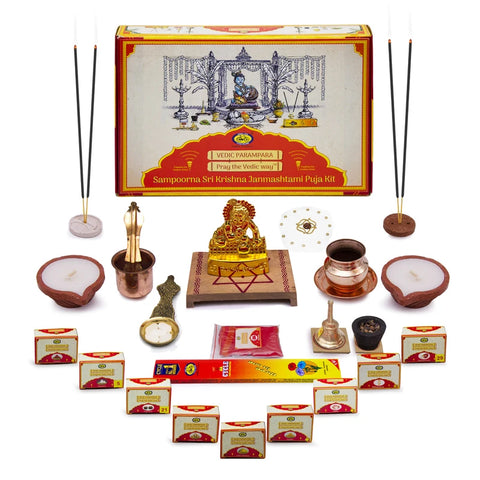
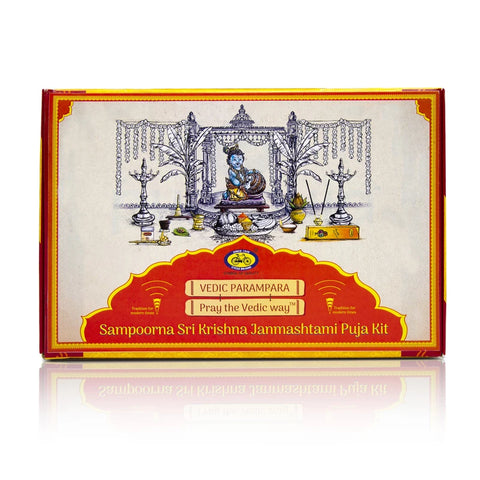
Sampoorna Shri Krishna Janmashtami Puja Kit – Complete Puja Essentials for Janmashtami Celebrations

Pushkarini Cup Sambrani – Made from Sacred Temple Flowers for Janmashtami Puja and Home Rituals
You can explore Cycle.in's Krishna Janmashtami Sale Collection, featuring:
- Sampoorna Shri Krishna Janmashtami Puja Kit
- Bansuri Vibe Agarbatti – inspired by Lord Krishna's flute
- Laddu Gopal Idol
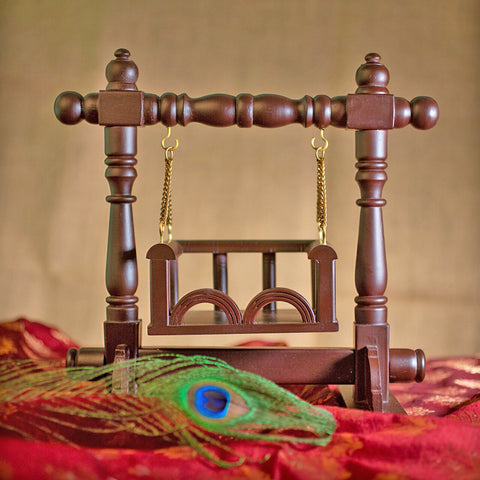
- Decorative jhulas
- Traditional puja essentials
- Heritage Agarbatti and festive incense offerings
FAQs
When is Krishna Janmashtami in 2026?
Krishna Janmashtami falls on Friday, September 4, 2026. Many devotees commonly observe fasting, perform midnight puja, and celebrate Lord Krishna's birth.
Why is Krishna Janmashtami celebrated?
Janmashtami marks the birth of Lord Krishna, the eighth incarnation of Lord Vishnu, who was born to restore dharma and defeat evil.
How is Janmashtami celebrated in India?
Celebrations include fasting, midnight puja, devotional singing, Dahi Handi, Rasa Leela performances, and decorating homes and temples with flowers and lights.
When is Krishna believed to have been born?
According to Hindu tradition, Lord Krishna was born at midnight on the eighth day (Ashtami) of Krishna Paksha in the month of Bhadrapada. This moment is celebrated each year as Krishna Janmashtami.
Why is Lord Krishna known by so many different names?
Each of Krishna's names reflects a unique aspect of his life, qualities, or divine deeds. Popular names include Gopala, Govinda, Madhava, and Keshava, each carrying its own significance.
Where can I buy Janmashtami puja essentials?
Cycle.in's Krishna Janmashtami Sale Collection offers puja kits, incense, Krishna idols, decorative jhulas, and festive essentials in one place.