For Varalakshmi Vratham 2026, you need ten core items: a Lakshmi idol, a kalash, kumkum and turmeric, camphor, agarbatti, ghee diyas, a thoram, a new saree for the kalash, fresh flowers with mango leaves and coconut, and rangoli powder. Buy these at least a week early, since good varamahalakshmi puja samagri tends to sell out fast right before the festival.
When Is the Varalakshmi Vratham Date in 2026?
According to the Panchang, followed by many South Indian families, Varalakshmi Vratham will be observed on Friday, 21 August 2026. The festival is celebrated in honour of Goddess Lakshmi and is observed on the Friday before Shravana Purnima in many Telugu, Tamil, and Kannada households. As festival dates may vary across regional Panchangs, it's always best to follow the date observed by your family or local temple.
Varalakshmi Vratham 2026 Puja Muhurat (New Delhi)
| Lagna | Puja Muhurat | Duration |
|---|---|---|
| Simha Lagna (Morning) | 06:29 AM – 07:55 AM | 1 Hour 26 Minutes |
| Vrishchika Lagna (Afternoon) | 12:16 PM – 02:31 PM | 2 Hours 15 Minutes |
| Kumbha Lagna (Evening) | 06:25 PM – 08:00 PM | 1 Hour 35 Minutes |
| Vrishabha Lagna (Midnight) | 11:15 PM – 01:15 AM (August 22) | 1 Hour 59 Minutes |
Most devotees prefer performing the puja during the Simha Lagna (morning) or Kumbha Lagna (evening), as these are traditionally considered highly auspicious for worshipping Goddess Lakshmi.
Note: The above muhurat timings are for New Delhi. Puja timings vary by city because they are calculated using local sunrise and sunset times. Check your local Panchang for the most accurate muhurat for your location.
What Are the Top 10 Varalakshmi Vratam Pooja Items?
Here's the actual varalakshmi vratam pooja items checklist, the same one most priests hand out before the festival.
-
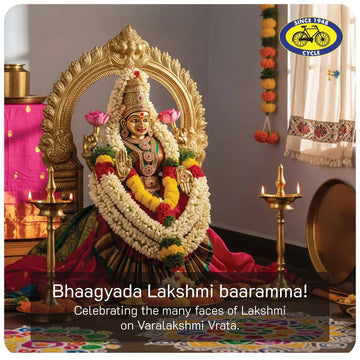
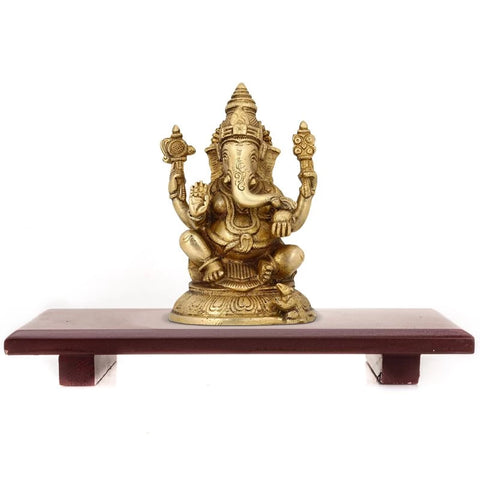
Varalakshmi idol or face. The goddess's silver or brass face, the Amma mukham, sits at the centre of the whole ritual. Pick one sized to your kalash so the proportions look right once she's dressed. A lakshmi idol for puja made in silver holds its shine year after year, so it's worth the one-time cost.
-
A brass or copper kalash. This is the pot the goddess "sits" on. Copper and brass both work; just make sure the neck is wide enough to rest a coconut comfortably. A kalash from last year cleans up fine with a quick tamarind-and-salt polish.
-
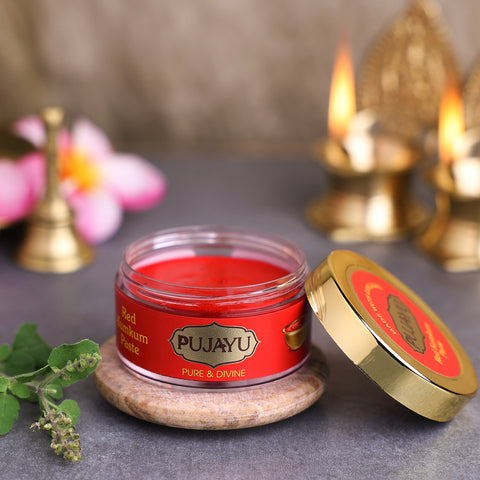
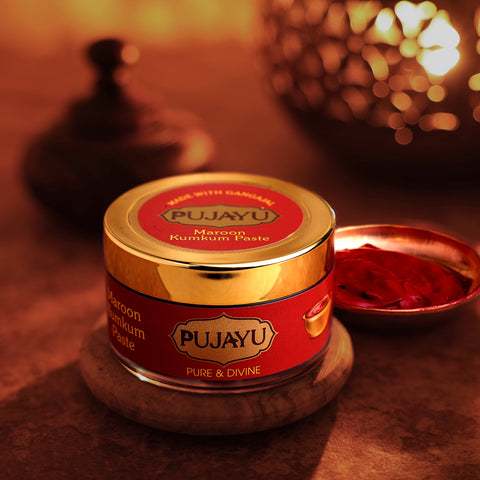
Kumkum, turmeric, and sandalwood paste. You'll use these for the swastika on the kalash, the idol's tilak, and every married woman's forehead during the puja. Fresh kumkum for varalakshmi puja matters more than people think; old, dried kumkum flakes off instead of sticking, and it looks messy in photos.
-
Camphor and a diya plate. Bhimseni camphor for puja burns cleaner and longer than the cheap synthetic kind, and it's used for both the deepa aradhana and the closing aarti. Keep a spare packet handy, since one Aarti plate can go through 8 to 10 tablets easily.
-
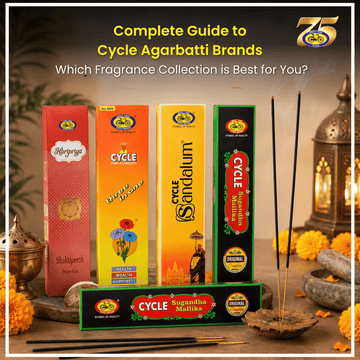
Agarbatti or dhoop. Sandalwood or rose agarbatti for lakshmi puja is the traditional pairing, though jasmine works well too. Light a couple of sticks about twenty minutes before the puja starts, so the room already smells right when guests arrive.

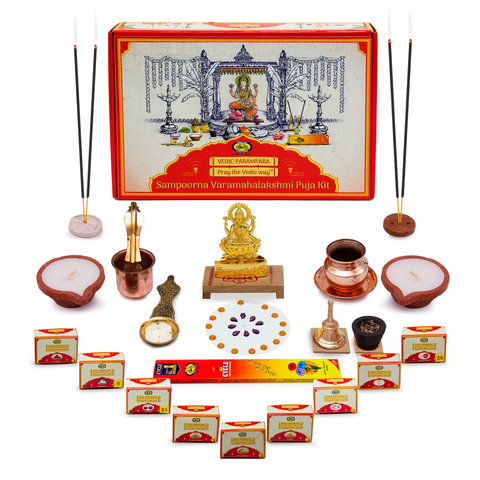
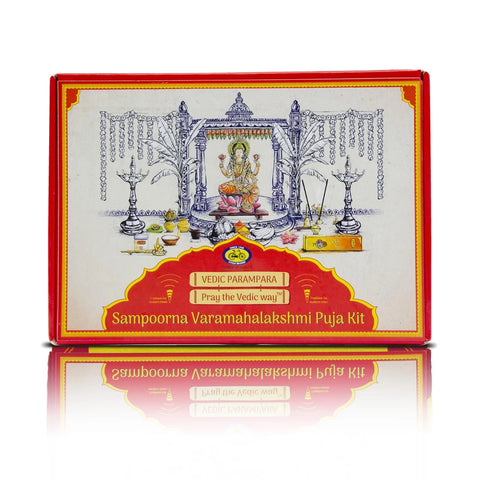
Sampoorna Varamahalakshmi Puja Kit — all essentials in one box
-
Ghee diyas or cotton wicks. A pair of ghee lamps flanking the kalash is standard. Cotton wicks soaked in ghee burn steadier than store-bought wax diyas and don't leave soot marks on your puja shelf.
-
Thoram, the sacred thread. This nine-knot yellow thread gets tied to the kalash first, then to each woman's right wrist after the puja. Keep at least one thoram per guest you're expecting; running short mid-ritual is a common last-minute scramble.
-
A new saree or blouse piece for the kalash. The kalash gets dressed like a bride, and a small blouse piece works better than a full saree for most home setups. Bright yellow or red silk holds the turmeric-coconut arrangement neatly at the top.
-
Fresh flowers, mango leaves, and a coconut. Five mango leaves go around the kalash rim before the coconut sits on top, smeared with turmeric. Buy the marigold and jasmine garlands the morning of the puja itself, since they wilt fast in August heat.
-
Rangoli powder and a puja thali. A rangoli at the entrance and around the kalash rounds off the setup, and a proper thali keeps kumkum, akshata, and flowers organized instead of scattered across the table.
How Do You Decorate the Kalash for Varalakshmi Vratham?
Good varalakshmi kalash decoration doesn't need to be elaborate. Fill the pot with raw rice or water, drop in a coin and betel nut, then wrap the neck with a red or yellow cloth tied with thread. Draw a kumkum swastika on the front, top it with five mango leaves fanned out, then rest the turmeric-smeared coconut in the centre.

Good Luck Kalash — ideal for Varalakshmi Vratham setup
For broader varalakshmi vratam decoration ideas, a banana leaf backdrop or a simple floral toran above the puja space adds height without much cost. Small string lights around the setup and a fresh rangoli in front finish it off. Families going for a fuller look add bangles, small jewellery, and a mirror behind the idol so the decoration on her back shows too.
Why Is Varalakshmi Vratham Celebrated and Who Celebrates It?
Varalakshmi Vratham is dedicated to Goddess Lakshmi, the deity of wealth, prosperity, health, and good fortune. Devotees observe the vrat to seek her blessings for a happy family, financial well-being, and overall prosperity. According to Hindu tradition, worshipping Goddess Varalakshmi is believed to invoke the blessings of Ashta Lakshmi, the eight forms of Lakshmi representing wealth, courage, knowledge, food, success, fertility, victory, and prosperity.
The festival is traditionally observed by married Hindu women, though unmarried women and men also perform the puja in many households. Varalakshmi Vratham is celebrated mainly in Andhra Pradesh, Telangana, Karnataka, Tamil Nadu, and parts of Kerala, and is widely observed by South Indian communities across India and around the world.
How Does the Varalakshmi Puja Vidhi Work?
The varalakshmi puja vidhi follows a set order. Bathe and wear fresh clothes, then set up the kalash on a wooden plank over a rangoli. Place the idol above the kalash to invoke the goddess, then perform the sixteen-step Shodashopachara puja, offering kumkum, turmeric, flowers, and naivedyam one after another while reciting the ashtottram. Tie the thoram to the kalash before the main puja and to each woman's wrist afterward. Close with the aarti using camphor, then distribute vayanam or thamboolam to the women present.

Bansuri Chandan Agarbatti — traditional sandalwood incense for puja
Where Can You Buy Varalakshmi Puja Kit Online?
Most people don't have time to hunt down ten separate items from ten different shops two days before the festival. A ready varalakshmi puja kit groups the kumkum, camphor, agarbatti, and thoram together, which saves a trip and usually costs less than buying each piece separately. If you'd rather skip the running around, you can buy a Varalakshmi Puja kit online and have everything arrive together instead.
If you prefer picking items individually, look for puja essentials online from a brand with a long manufacturing track record. Cycle's camphor, agarbatti, and puja samagri range, for instance, comes from a company with over 75 years in the business, which matters when you're buying something that touches every part of the ritual. Order at least a week before August 21 so you're not stuck substituting items at the last minute.
Sampoorna Varamahalakshmi Puja Kit — order online and get everything delivered together