- Dr. K. Kumar
Garlands have always been considered symbols of beauty, respect, love, devotion, purity, peace and reverence towards a higher deity. Flowers and flower garlands play an integral part in Hindu customs. Many other cultures across the world also attach great significance to garlands.
But flowers eventually shrink and fade away. If we bring together beautiful words and sentences to enhance our worship of Gods and Goddesses, these spiritual garlands can remain and shine in our minds for a long time.
Why Is the Tulsi Plant Sacred?
Tulsi (Basil Leaves): Its Glory and Sanctity in Worship
The Bhagavad Gita, Chapter 9, Verse 26, says:
Patram pushpam phalam toyam yo me bhaktya prayacchati |
Tad aham bhaktyupahritam ashnami prayatatmanah ||
Lord Krishna says that whoever offers Him a leaf, flower, fruit or water with love and devotion, He accepts that offering from a pure-hearted devotee.
Among all the leaves offered in Hindu worship, Tulsi holds a particularly special place. It is considered one of the most sacred leaves and is especially associated with Lord Vishnu and Lord Krishna.
Who Is Tulsi?
Tulsi is regarded as a sacred manifestation of Goddess Lakshmi and is closely associated with Maha Vishnu. She is also known as Vrinda in Hindu scriptures and traditional stories.
According to a popular belief, Lord Shiva resides at the base of the Tulsi plant, Lord Vishnu in its middle and Lord Brahma at its top.
Considering the Tulsi plant as a deity and worshipping it daily is an important tradition in Hindu households.
Instead of placing a Tulsi plant directly on the ground, many families build a small, specially designed masonry structure known as a Tulsi Vrindavan or Tulsi Maadam. Traditionally, Tulsi is planted in the centre of the courtyard or in front of the house.
According to Vastu traditions, the north-east corner is considered an auspicious location for a Tulsi plant. If that is not possible, it can also be placed in another clean and suitable area of the home.
Unlike many flowers used in worship, Tulsi leaves are traditionally believed not to suffer from Yadayaama Dosha (staleness). According to certain Hindu traditions, Tulsi leaves plucked earlier can still be used in worship the following day.
Placing a Tulsi leaf on food or other offerings made to the deity is also considered a way of sanctifying the offering.
How to Worship the Tulsi Plant at Home?
Worshipping the Tulsi Vrindavan daily is a cherished practice in many Hindu households. Devotees often begin by cleaning the area around the plant and drawing a traditional Kolam or rangoli.
A few fruits or rock sugar can be offered as Naivedya. A lamp is traditionally lit in the morning and evening, accompanied by prayers and devotional chants.
You can use Om Shanthi Pure Cow Ghee Wicks for lighting a traditional diya during your daily prayers. The ready-to-use wicks offer a convenient option for regular worship.

There are also certain traditional rules and customs associated with plucking Tulsi leaves. According to commonly followed practices, leaves should not be plucked on Tuesday, Friday, Purnima (Full Moon Day), Dwadashi, during Pitru-related observances, at Sandhya time or at night. These customs can vary across regions and family traditions.
Deities associated with Lord Vishnu are traditionally worshipped with Tulsi leaves, while Bilva leaves are especially offered to Lord Shiva. Tulsi is generally not offered to Lord Ganesha, for whom other flowers and leaves are used.
Benefits of Worshipping Tulsi
Tulsi holds a special place in Hindu worship and is associated with purity, devotion and prosperity. Devotees believe that worshipping Tulsi Devi with faith and sincerity brings blessings, peace and well-being to the household.
Traditional beliefs also associate Tulsi worship with protection from illness and difficulties. It is considered an auspicious practice that can bring prosperity and happiness to a family.
In some traditions, donating an item along with a Tulsi leaf is believed to increase the spiritual merit of the donation.
Beyond its religious significance, Tulsi is also valued for its traditional medicinal uses. Its leaves have been used in Ayurveda and household remedies for generations.
Tulsi Vivah: Significance and Rituals
Tulsi Vivah is a traditional Hindu ceremony that celebrates the symbolic marriage of Goddess Tulsi (Vrinda) to Lord Vishnu, often worshipped in the form of Shaligram.
It is generally observed during the Kartik month, on the Dwadashi following Dev Uthani Ekadashi, although the exact observance can vary according to regional calendars and traditions.
During the ceremony, the Tulsi plant is decorated like a bride. Devotees may adorn the Tulsi Vrindavan with flowers, turmeric, kumkum, betel nuts, fruits and coconut. Some families also prepare special offerings such as Sweet Pongal as Naivedya.
In certain traditions, an Amla (Nellikai) branch or plant is placed near the Tulsi Vrindavan because of its association with Lord Vishnu during this period. The Tulsi and Amla plants are worshipped together as part of the ceremony.

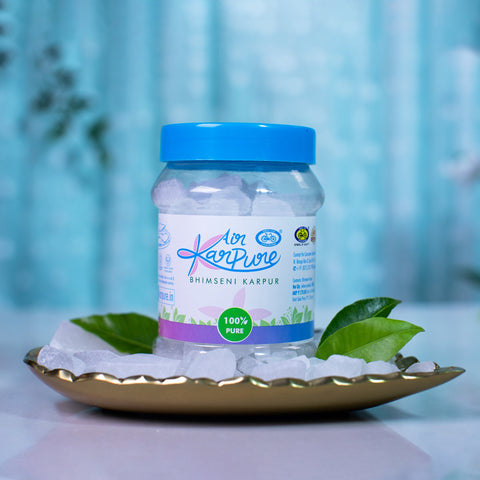
A traditional diya is lit during the rituals, and devotees recite prayers and verses associated with Tulsi Vivah. You can use Jasmine Pure Puja Oil or Pure Bhimseni Camphor as part of the customary lamp-lighting and aarti preparations.
The ceremony is often accompanied by fasting during the day, followed by evening prayers and the completion of the wedding rituals.

Helpful Hints
Tulsi is not just a plant associated with spiritual worship. It is also valued for its traditional medicinal properties.
Different varieties of Tulsi, including Krishna Tulsi and other commonly grown varieties, have been used in Ayurveda and traditional household remedies. Tulsi leaves are traditionally used in preparations for seasonal coughs, colds and general wellness.
Often called the Queen of Herbs in traditional Ayurvedic references, Tulsi has a long history of use in Indian households. Its religious, cultural and traditional medicinal importance makes it a particularly valued plant.
For many families, keeping and worshipping a Tulsi plant is not simply a ritual. It is a way of maintaining a daily connection with nature, faith and the traditions passed down through generations.