Durga Pujo is one of Bengal’s most important annual celebrations, bringing together religious worship, traditional craftsmanship, public art, food, music, and community gatherings. In Kolkata, neighbourhoods create elaborate pandals to house Goddess Durga’s idol, while artisans, designers, and volunteers prepare for the festival months in advance.
In Bengali tradition, the goddess is often welcomed as a daughter returning to her maternal home with her children. This idea gives the festival a sense of homecoming that continues throughout the principal days of worship and the farewell on Vijayadashami. For those observing the festival at home, a Goddess Durga idol can be part of a personal prayer space.

Goddess Durga Idol
In 2021, UNESCO inscribed Durga Puja in Kolkata on its ‘Representative List of the Intangible Cultural Heritage of Humanity’, recognising its artistic, religious, and community dimensions.
The Cultural Significance of Durga Pujo in Bengal
Durga Pujo celebrates Goddess Durga’s victory over Mahishasura, a powerful asura in Hindu tradition. Her victory represents the triumph of good over evil and the restoration of order.
In Bengal, this story is closely connected with the idea of the goddess visiting her parental home during autumn. Her arrival, worship, and eventual departure shape many of the festival’s rituals and customs.
The celebration takes different forms across West Bengal. Community committees organise public pujas, families follow their own traditions, and artisans prepare idols and decorations. Kolkata is particularly known for its large community pujas, although smaller towns, rural areas, and private households also observe the festival.
Kumartuli and the Art of Making Durga Idols
Kumartuli, a neighbourhood in Kolkata, is known for its idol-making workshops. Artisans there create Durga idols for worship and public display, using skills passed down through generations.
Traditional idol-making involves building a supporting framework, shaping straw and clay, allowing the structure to dry, and finishing it with paint, clothing, and ornaments. The process requires careful work at every stage.
One important ritual is Chokkhudaan, the painting of the goddess’s eyes. It carries religious significance and marks a notable stage in preparing the idol.
While many artisans continue traditional techniques, others explore contemporary materials and designs. Not every Durga idol in Bengal comes from Kumartuli, but the neighbourhood remains an important part of Kolkata’s artistic heritage.
Durga Puja Pandals: Where Art, Architecture and Worship Meet
A pandal is a temporary structure built to house the goddess’s idol and provide space for worship. During Durga Pujo, pandals across Kolkata range from simple community structures to elaborate artistic installations.
Traditional and themed pandals
Some pandals use familiar architectural styles and traditional decorations. Others take inspiration from historical buildings, folk art, regional crafts, mythology, nature, or contemporary social issues.
Depending on the design, bamboo, cloth, wood, lighting, sculpture, and painted surfaces may form part of the installation. Designers, artisans, carpenters, painters, electricians, and decorators work together to bring each concept to life.
The result combines a place of worship with public art. The idol remains the spiritual focus, while the surrounding design gives each pandal its own identity.
Pandal hopping and community participation
Pandal hopping means visiting different pandals to see their idols, themes, and decorations. Families and groups of friends often plan visits across neighbourhoods, particularly in the evening when lighting becomes part of the experience.
Each pandal reflects the choices and efforts of its organisers and community. Although Kolkata is especially well known for pandal hopping, public and household pujas take place throughout West Bengal.
From Mahalaya to Vijayadashami: The Festival Timeline
The principal days of Durga Pujo run from Maha Shashthi to Vijayadashami, with important observances taking place before and during this period.
Mahalaya: The beginning of anticipation
Mahalaya is associated with the beginning of Devi Paksha, the period devoted to the goddess. Many Bengali households mark the occasion by listening to Mahishasuramardini, a well-known broadcast featuring devotional recitations, music, and narration.
Mahalaya also has associations with tarpan, offerings made in remembrance of ancestors. The specific customs followed vary between families.
Maha Shashthi: Welcoming the goddess
Maha Shashthi marks the beginning of the principal days of celebration. Rituals such as Bodhon are associated with the invocation and welcoming of the goddess. Public pandals are open for worship and visitors.
Maha Saptami: Nabapatrika
Nabapatrika is a Saptami ritual involving nine plants that are ritually prepared and worshipped. Its symbolism and the details of observance depend on the tradition followed.
Maha Ashtami: Pushpanjali and Kumari Puja
Maha Ashtami is one of the most significant days of Durga Pujo. During Pushpanjali, devotees offer flowers while reciting prayers and mantras.
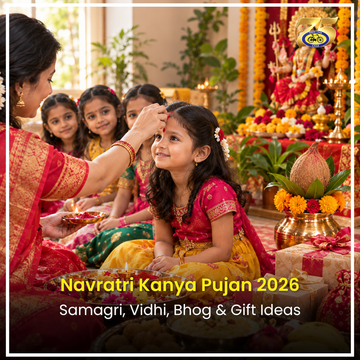
Some institutions also observe Kumari Puja, in which a young girl is worshipped as a manifestation of the divine feminine. It is not performed in every household or at every pandal.
Sandhi Puja: The junction of Ashtami and Navami
Sandhi Puja takes place during the final 24 minutes of Ashtami and the first 24 minutes of Navami, forming a traditional 48-minute ritual period. The observance is associated with the story of Chamunda and the defeat of Chanda and Munda.
Its clock time changes each year according to the lunar calendar.
Maha Navami: Worship and Aarti
Maha Navami continues the worship of Goddess Durga. Observances may include puja, aarti, and other offerings. Some pandals also hold dhunuchi dancing as part of the devotional celebrations.

Brass Kerala Diya Deepam
Vijayadashami: Farewell and Immersion
Vijayadashami marks the goddess’s farewell. In many communities, idols are carried in processions and immersed in designated water bodies. The ritual symbolises the conclusion of the celebration and the goddess’s departure until the following year.
Dhak, Dhunuchi Naach and the Sounds of Durga Pujo
The dhak is a traditional drum associated with Durga Pujo. Musicians known as dhakis perform during worship and public celebrations, giving the festival its distinctive rhythmic sound.
Another recognised custom is dhunuchi naach, a devotional dance performed with a dhunuchi, a traditional incense burner. Participants move rhythmically while holding the burner, often during aarti. The custom is observed at some pandals and family celebrations, but it is not part of every observance.
Together, these practices connect music, movement, and worship with Bengal’s festive traditions.

Dasara Premium Bambooless Dhoop Sticks
Bengali Food and Bhog During Durga Pujo
Food plays several roles during Durga Pujo, from ritual offerings to meals shared with family and friends.
Khichuri bhog and community meals
Khichuri, made with rice and lentils, is commonly served as bhog in many Bengali communities. It may be accompanied by labra, a mixed vegetable preparation, and other dishes depending on local practice.
Bhog is offered to the goddess and then distributed among devotees. Menus vary between households and puja committees, so there is no single menu followed throughout Bengal.
Sweets and festive food
Sandesh and mishti doi are familiar Bengali favourites during festive gatherings and family visits. Pandal visits also provide opportunities to explore local food stalls and restaurants. These are part of the wider celebration rather than formal religious rituals.
Traditional Bengali Clothing and Festive Customs
Many people wear traditional or festive clothing for pandal visits, family gatherings, and days of worship. Women may choose sarees, including traditional Bengali styles, while men may wear kurtas or other festive garments.
Red-and-white sarees are often associated with Sindoor Khela on Vijayadashami. Clothing choices, however, vary by individual, family, and occasion.
Sindoor Khela, Bijoya Dashami and the Meaning of Farewell
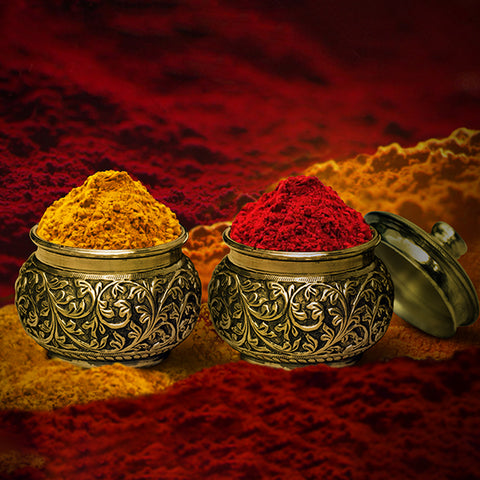
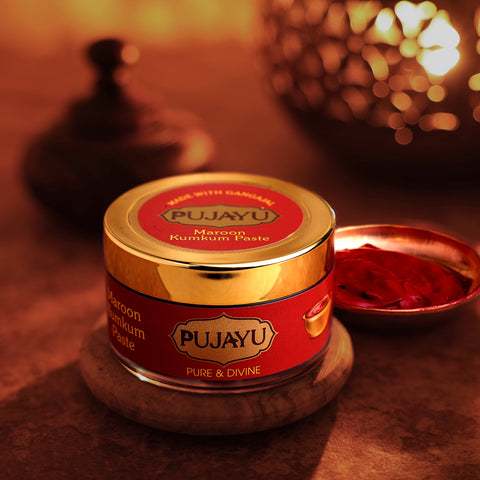
Sindoor Khela is a farewell custom observed in many Bengali communities on Vijayadashami. Participants apply vermilion to the goddess and where the tradition is followed to one another. The practice is commonly associated with married Hindu women, though customs and participation vary.
After immersion, many families continue the festive period through Bijoya greetings, visits to relatives and friends, and the exchange of sweets. These customs extend the sense of connection beyond the main days of worship.
How Durga Pujo Brings Communities Together
Community participation is central to public Durga Pujo. Neighbourhood committees coordinate celebrations, artisans create idols and decorations, and volunteers help manage arrangements. Residents may contribute time, resources, or skills to support their local puja.
Pandals become places for worship, artistic expression, cultural programmes, and social gatherings. Household worship remains important too, with each family following its own customs.
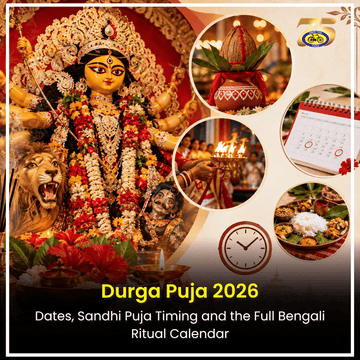
Readers interested in home worship can explore Cycle.in’s guide on how to perform Durga Puja at home. For a wider look at regional celebrations, see the guide to Durga Puja and Navratri traditions across India.
Preparing for Durga Pujo at Home
Families observing Durga Pujo at home may use flowers, lamps, incense, and other ritual materials, depending on their traditions. Cycle.in’s puja samagri collection offers devotional essentials for household worship.

Good Luck Shivuli Solid Dhoop
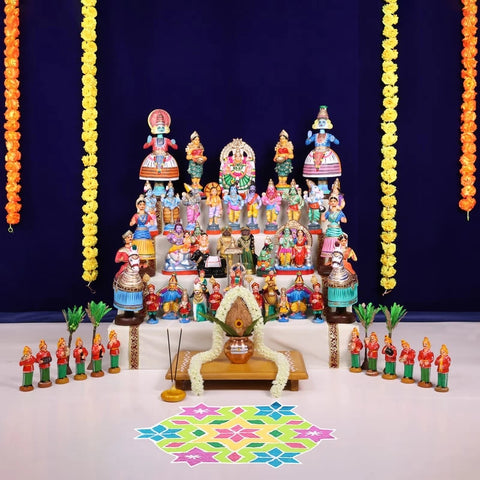
Some families also keep a devotional image in their prayer space. A Goddess Durga idol may be suitable for home worship or devotional décor, though it is different from the larger clay idols created for community pandals.
For annual dates and ritual timings, consult Cycle.in’s Durga Puja 2026 dates and rituals guide. Timings should be checked against the relevant year’s calendar.