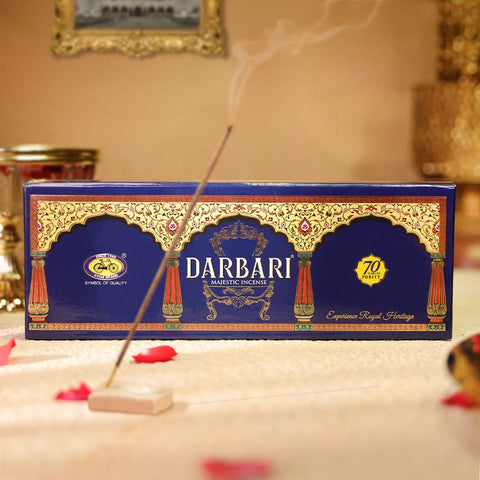
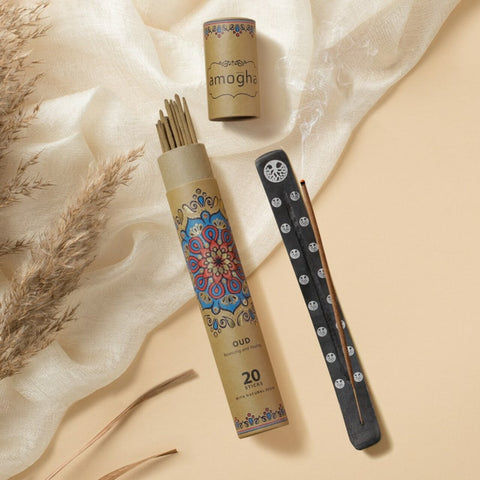
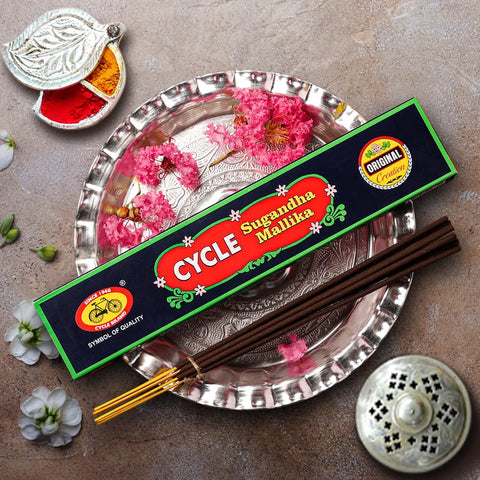
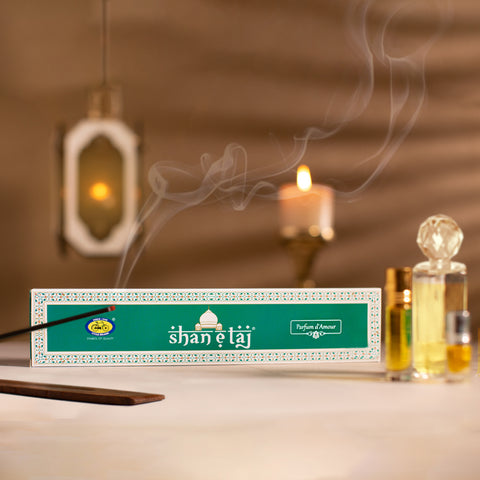
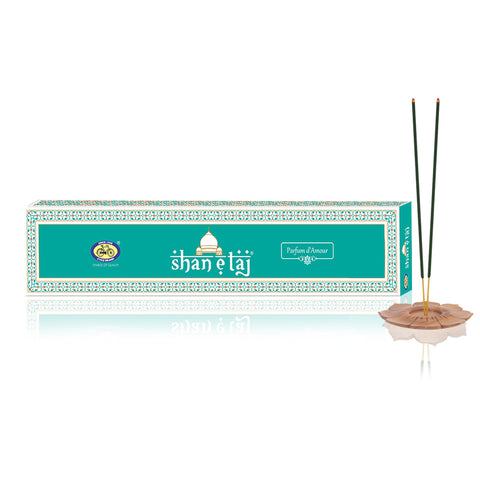
In many Indian homes, our mornings do not begin with the sound of the alarm clock but with the lovely fragrance of incense. As the first rays of the sun enter our homes through the window curtains, a gentle wisp of smoke rises from the pooja room, filling the air with a scent that soothes both the mind and the heart.
Children waking up to get ready for school, elders preparing for their morning walks and parents running about their morning routines all pause for a moment to breathe in that familiar, comforting aroma.
The Fragrance of Indian Mornings
Whether it's the sweetness of agarbatty or the earthy fragrance of dhoop. This daily ritual has been an inseparable part of the Indian household for centuries. Both are symbols of purity, devotion and mindfulness. The act of lighting incense connects the physical world with the spiritual; it turns our homes into a sanctuary of peace.
Though agarbathi and dhoop serve the same purpose, they are not the same; their ingredients, fragrance and even the way they burn are unique. Join us as we explore what sets these two fragrant traditions apart and why they continue to hold a special place in our hearts and homes.
What is Dhoop?
Dhoop is made from the mixture of natural fragrant ingredients such as resin, herbs, essential oils, ghee, cow dung and wood powders, all pressed into thick cones. Unlike the agarbati, it does not have a bamboo stick inside and is almost like a solid form of incense. In ancient India, dhoop held an important place in daily worship and temple rituals.
Old texts like the Atharva Veda mention the use of aromatic herbs and sandalwood in dhoop for purification. Traditionally lighting dhoop twice a day, in the morning and evening, is considered sacred and believed to cleanse the home of negative energy.
When the dhoop is lit, it produces a denser smoke when compared to agarbathy. Its fragrance is deeper, earthier and long-lasting. Because of its strong aroma, dhoop is often used during temple rituals, spiritual ceremonies and special occasions like festivals. The thicker smoke also acts as an insect repellent.
This explains why, in the debate of dhoop vs agarbati, dhoop is preferred for deep spiritual rituals.
What is agarbatti?
The word 'agarbatti' comes from the Tamil word 'agir' or 'agil', meaning 'fragrance', and the Sanskrit word 'varti', meaning 'stick'. Simply put, 'agarbatti' refers to incense sticks, thin bamboo coated with a mixture of aromatic powders, natural oils and wood dust.
When agarbathi is lit, it releases a stream of soft, fragrant smoke that gently fills the air. For the best experience, place your incense sticks in a Teakwood Flower Agarbatti Stand — its elegant design holds sticks securely while catching the ash, keeping your puja space clean and beautiful. Its scent can range from floral and sweet to woody, depending on the ingredients used. The most common fragrances include sandalwood, rose, mogra, jasmine, lavender and patchouli.
The use of incense has been mentioned in ancient scriptures such as Vedas, where aromatic herbs and resins were burned during yagnas to please the gods and purify surroundings. The Rigveda, one of the oldest known texts describes the burning of fragrant woods like agar and sandalwood as offerings to please deities.
In Indian culture, aggarbatti is used for not just religious purposes but also to create a peaceful environment for meditation, yoga and relaxation. Its mild aroma helps calm the mind making it easier to focus and reflect. Even outside the spiritual setting, many people use agerbatti to make their homes smell fresh and inviting.
Agarbatti is milder than dhoop, making it suitable for daily use, a key point when comparing which is better, agarbatti or dhoop for everyday practice.
What is the cultural and spiritual significance of Dhoop and Agarbatti?
The practice of burning incense has deep spiritual roots in Indian tradition. The rising smoke is believed to carry prayers to the heavens, symbolising the devotees' deep connection to God. In temples and homes, lighting incense marks the beginning of prayer or meditation, creating an atmosphere of calm.
It reminds us to pause, breathe deeply and invite peace into the heart. While agar batti brings a touch of calm to everyday life, dhoop is considered sacred and purifying. Its thick smoke releases negative energy and invites positivity.
There is also science behind why incense feels so calm. When burnt, the natural resins and oils from agarbathy and dhoop release aromas that stimulate the olfactory nerves in the brain. These nerves are directly linked to the limbic system, the part of the brain that controls emotions and memory.
That is why you may have noticed how when an incense or dhoop is lit, your mood changes and you feel calm. The fragrance of sandalwood is known to reduce stress and anxiety, and jasmine and rose promote joy. The incense and dhoop are a perfect blend of tradition and science.
Choosing what is right for you
When it comes to choosing between agarbathi and dhoop it really depends on your preference and purpose. If you want something light, suitable for everyday use, agarbathi is ideal. It is easy to light, burns evenly and leaves behind a pleasant subtle aroma.
If you are looking for a stronger, more spiritual experience, dhoop might be your choice. Its rich and earthy fragrance creates an atmosphere of devotion and peace, perfect for prayers, meditation and also just relaxing after a long day. Some people even combine both, starting their mornings with agar bathi and evenings with dhoop. It is all about finding balance that soothes your senses.
If you prefer incense cones and want to browse by budget, explore our Cones Under ₹199 collection and compare fragrances, pack sizes, and usage instructions before choosing.
Agarbatti vs Dhoop: Key Differences
To clearly understand the difference between agarbatti and dhoop, here's a simple comparison:
Feature |
Agarbatti |
Dhoop |
Contains bamboo |
Yes |
No |
Fragrance strength |
Mild–Moderate |
Strong, dense |
Ideal for |
Daily puja, meditation |
Rituals, deep spiritual worship |
Smoke release |
Light |
Thick |
Popular shapes |
Sticks |
Cones / Rolls |
Conclusion
For years, one thing that has remained constant in our lives is the comfort of incense and dhoop smoke curling softly through the air. Whether it's the gentle agarbathi or the richness of dhoop, both can transform a space into something sacred and serene.
Both fragrances remind us to pause and breathe. Whether you choose to light an incense stick or a dhoop, take a moment to watch the smoke rise slowly into the air, let the scent fill your home, and bring you peace and calm.
FAQs
Q: What is the difference between agarbatti and dhoop?
Aggarbatti is a thin incense stick made with a bamboo core. Dhoop is bambooless, has no stick inside and usually comes in the form of cones and sticks.
Q: Which one's fragrance lasts longer?
Dhoop generally lasts longer. However, there are several long-lasting agarbatti fragrances available in the market.
Q: Which is better for puja?
Both are used in prayers, but dhoop is traditionally considered sacred because of its heavy fragrance. agarbati is used for daily puja and meditation.
Q: Can I use agarbatti and dhoop for meditation?
Agarbatti is preferred for meditation because it has a mild and calming fragrance. Dhoop can also be used, but its dense smoke may feel overwhelming.
Q: Is dhoop good for removing negative energy?
Many people believe that dhoop cleanses the environment and removes negative energy.
Q: How do I choose between agarbathi and dhoop for my home?
Choose agarbathi if you want a light, everyday fragrance and dhoop if you prefer a strong, long-lasting scent. You can also use both, agarbatti in the morning and dhoop in the evening.
You can buy the best agarbattis for puja and premium dhoop sticks online at www.cycle.in.