Gudi Padwa falls on March 19, 2026. It is the Marathi and Konkani New Year, observed on the first day of the Chaitra month. Families raise a decorated Gudi outside the home, perform a morning puja, prepare dishes like Puran Poli and Shrikhand, and decorate with rangoli and flowers to welcome the new year.
What Is Gudi Padwa and Why Do People Celebrate It?
Gudi Padwa is Maharashtra's New Year festival. The word "Padwa" comes from the Sanskrit "Pratipada," meaning the first day of the lunar fortnight. It falls on Chaitra Shukla Pratipada, which marks the start of spring in the Hindu calendar.
Why celebrate Gudi Padwa? The reasons are layered. Hindu tradition holds that Lord Brahma created the universe on this day. Some accounts also connect the date to Lord Rama's return to Ayodhya after 14 years of exile. Farmers mark it as the beginning of the harvest season. Families open new account books and start financial decisions on this day, treating it as the right time for fresh commitments.
The Gudi Padwa festival goes by other names in other regions. Karnataka and Andhra Pradesh call it Ugadi. Kashmiris observe Navreh. The Sindhi community celebrates Cheti Chand. Different names, the same idea: a clean start.
Gudi Padwa 2026: Date and Muhurat
Gudi Padwa 2026 Date: Thursday, March 19, 2026
Gudi Padwa is observed on Chaitra Shukla Pratipada, the first day of the Hindu lunar calendar year.
Pratipada Tithi Timing (IST):
-
Tithi Begins: 06:52 AM, March 19, 2026
-
Tithi Ends: 04:52 AM, March 20, 2026
Since the Pratipada Tithi is present at sunrise on March 19, the festival is celebrated on March 19, 2026.
Auspicious Muhurat for Gudi Sthapana
Gudi Padwa is considered one of the Sadhe Teen Muhurat, meaning the entire day is auspicious for new beginnings. However, tradition recommends raising the Gudi in the morning.
Ideal Gudi Sthapana Time:
From sunrise until late morning.
-
Approximate Sunrise (Mumbai): 6:35 AM
-
Best Puja Window: 6:35 AM to 10:30 AM
During this time, families raise the Gudi, perform the puja, and begin new ventures, financial decisions, or household rituals believed to bring prosperity for the year ahead.
How Is Gudi Padwa Celebrated?
Gudi Padwa follows a sequence that most Maharashtrian families have kept the same for generations.
1. The Gudi The Gudi is the center of the festival. A bamboo staff is dressed with a bright silk cloth, usually yellow, orange, or red. Flower garlands and neem leaves are tied to it. Sugar crystals and gathi (sweet garland) are added. A copper or silver pot (kalash) is placed upside down at the top. This Gudi goes up at the main entrance or window of the home, facing east.
2. Early Morning Rituals Families wake before sunrise. Everyone applies sesame oil to the body before bathing, a cleansing practice called abhyanga snan. Women draw rangoli at the threshold. The entrance gets decorated with fresh mango leaf torans and marigold strings. This is where Gudi Padwa decoration takes shape, simple but distinct from any other day.
3. Pooja Vidhi Once the Gudi is up, the puja begins at its base. Flowers and akshat (unbroken rice) are placed at the foot. A diya is lit. Prayers go to Lord Brahma and Lord Vishnu. The family listens to the Panchanga Shravan, the reading of predictions from the Hindu almanac for the coming year.
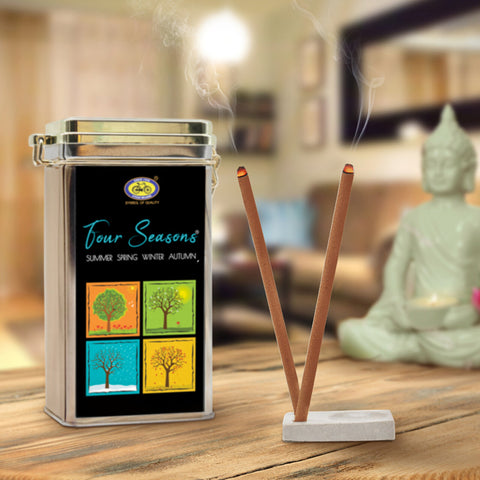
Agarbatti is lit as part of the ritual. The fragrance sets the tone for the morning. Cycle's yagna agarbattiYagna Agarbatti has deep sandalwood and woody notes that suit a sacred morning puja well.
4. Prasad and the Festive Meal The first thing eaten is a small portion of neem leaves mixed with sugar, tamarind, and jaggery. Bitter and sweet together, a reminder that the year ahead will carry both. The main meal comes later: Puran Poli, Shrikhand, Amti, and rice. Many families also make Soonth Panak, a warm ginger drink suited to the changing season.
5. Lowering the Gudi At sunset, the Gudi comes down with care. The pot and cloth are cleaned and stored for next year.
Why Is Gudi Padwa Special?
Gudi Padwa special character comes from where it begins: at home, before anything public happens. The Gudi raised from your window is a personal act. It says the household is ready, the new year is welcomed, and things can begin.
There is also a community side. In Pune and Mumbai, large processions called Shobha Yatras move through the streets with dhol-tasha bands, decorated chariots, and folk performances. But the festival starts indoors, and that is where it matters the most.
Gudi Padwa Decoration: What to Focus On
Gudi Padwa decoration does not need to be complex to feel right. Most families concentrate on a few things:
-
Rangoli: Floral patterns in bright colors at the main door.
-
Toran: Fresh mango leaves strung at the entrance.
-
Flowers: Marigold, jasmine, and roses near the puja area.
-
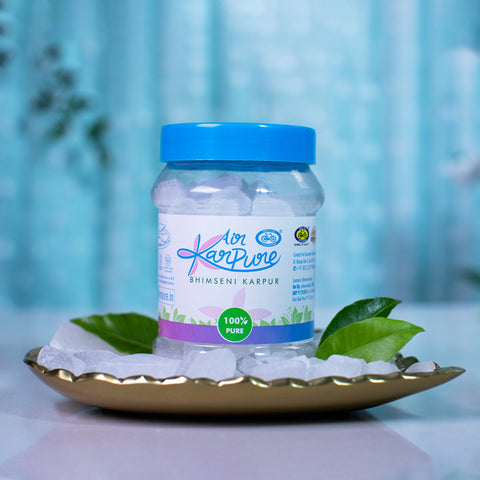
Fragrance: Agarbatti and sambrani throughout the morning. Fragrance is not decorative here; it marks the space as sacred. Cycle's naivedya cup sambrani combo pack 3Naivedya Cup Sambrani is easy to use and purifies the area around the Gudi and puja corner with steady, grounding smoke.
-
pure cow ghee diya 100nDiyas: Brass lamps lit at sunrise keep the atmosphere consistent through the morning.
Gudi Padwa Information Worth Knowing
A few things about this festival that do not come up often:
The neem in the prasad has a practical reason behind it. Neem is a blood purifier in Ayurveda, and eating a small amount at the start of spring is an old preventive health practice tied to the seasonal shift. The festival folds this into the tradition without any fuss.
The Gudi itself has historical weight. Communities once raised it after a military victory. The staff, the bright cloth, and the elevated pot: all of it was a visible public signal. That original meaning still lives in the gesture of hoisting it high from the home.
Gudi Padwa Pooja Vidhi: Step by Step
Items needed: Bamboo staff, bright cloth, kalash (copper pot), flowers, neem leaves, mango leaves, sugar crystals, gathi, akshat, haldi, kumkum, diya, oil or ghee, agarbatti, prasad.
Step 1: Wake before sunrise. Complete the abhyanga snan (oil bath followed by bathing).
Step 2: Prepare the Gudi. Fix the cloth, garland, gathi, and inverted kalash on the bamboo.
Step 3: Raise the Gudi at the entrance facing east at or just after sunrise.
Step 4: Apply haldi and kumkum at the base. Place flowers and akshat. Light the diya and agarbatti.
Step 5: Offer prayers to Lord Brahma, Vishnu, and Surya. Listen to the Panchanga Shravan.
Step 6: Distribute the neem-jaggery prasad to all family members.
Step 7: Begin the festive meal. Visit neighbors and join the community.
Step 8: Lower the Gudi at sunset with a short prayer of thanks.
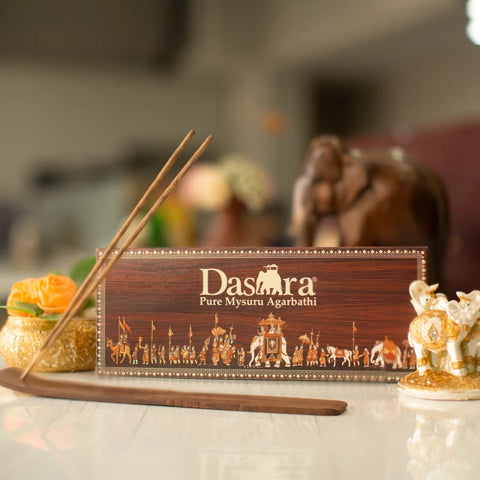
For longer puja sessions, Cycle's Three in One Agarbatti Combo offers three different fragrances in one pack, which works well across an extended morning ritual.
Conclusion
Gudi Padwa is a festival with a clear purpose: you face the new year with your home in order and your intentions set. The rituals are practical and meaningful. The neem is for health. The Gudi is for visibility and confidence. The fragrance, the flowers, and the shared meal are for the people inside the house.
On March 19, 2026, the best time to raise the Gudi is between sunrise and mid-morning. Do the puja with care, light the agarbatti, eat the prasad, and let the year begin.
FAQs
Q: What does the inverted kalash on the Gudi mean?
It represents victory. In older times, warriors placed a helmet on a staff after winning a battle. The upturned pot carries that symbolism into the domestic space.
Q: Can people outside Maharashtra celebrate Gudi Padwa?
Yes. Anyone who follows the Hindu Vikram Samvat calendar can observe it. Maharashtrian communities across India and abroad keep the puja and meal alive regardless of location.
Q: What is eaten first on Gudi Padwa?
The neem-jaggery prasad comes first. It mixes neem leaves, jaggery, tamarind, and sugar. After that, the main meal of Puran Poli, Shrikhand, and Amti follows.
Q: Is Gudi Padwa a public holiday?
It is a gazetted public holiday in Maharashtra. Schools, government offices, and most businesses remain closed.
Q: Why does the home ritual happen before the temple visit?
In this tradition, the home is the first sacred space. The Gudi sanctifies the domestic space first. Temple visits and community processions follow once the home ritual is complete.