

Saraswati Puja 2026, a widely celebrated occasion in India, is dedicated to Goddess Saraswati. This day falls in two different time periods for devotees residing in the northern and southern parts of the country. In the north, Saraswati Puja coincides with Vasant Panchami, the fifth day in the waxing phase of the Hindu Magha month (February in the Gregorian calendar).
In South India, Saraswati Puja falls on the ninth day of Sharada Navaratri (October in the Gregorian calendar), which is known as Navami, and is dedicated to the worship of Goddess Saraswati.
Beyond formal education, many also take this opportune day to initiate their children into the world of music, dance, arts and invoke Her blessings to guide and inspire them on their creative journey.
Read more to know about the goddess, the significance of worshipping her, her various names, and a step-by-step guide to perform Saraswathi Puja.
Who is Goddess Saraswati?
Saraswati Devi is the goddess of knowledge, speech, and arts. She is seated on a white lotus and plays a ‘Veena’. She is said to reside in the words spoken by people, songs sung by nightingales, in the hands of the sculptor, in songs and the voices of singers, the hearts of poets, the sweet language of parrots, paintings, handicrafts, cultural performances, dances and all other forms of art.
Clad in a white saree, she symbolises purity and knowledge and mounts a swan. The name of her Veena is said to be ‘Kachchapi’. The word ‘Saraswati’ has different meanings. It combines the words ‘Saras’ which means a body of water and ‘Vati’ which refers to a woman. In another context, ‘Saras’ means ‘speech’ and the name can be implied as the goddess of speech. When you break the word into three parts – ‘Sara’, ‘Sw’, and ‘Vati’, it can mean the essence of self.
Saraswati Puja 2026
Saraswati Devi is worshipped as part of the trinity of goddesses (Durga, Lakshmi, Saraswati). On the last day of Navaratri, she is said to transform into Maha Saraswati. On the ninth day, known as Mahanavami, it is believed that Saraswati Devi created powerful weapons to slay the demon Mahishasura. The weapons were later revered as sacred, and people began to worship them. This tradition has evolved into the practice of "Ayudha Puja," where people worship tools and instruments that are essential in their daily lives.
In the North, the fields come alive with the vibrant yellow blooms of mustard. Devotees often wear yellow clothes. They prepare Kesari-based sweets and dishes such as Meethi Chawal (Zarda Pulao), Kesar Sheera (Sooji ka Halwa), Khichdi, Kesar Kheer and Laddu.
During Navaratri celebrations in South India, the first eight days involve the worship of different forms of the Goddess, with offerings specific to each form. On the final day, Saraswati Devi is worshipped, and it is considered an occasion for seeking her blessings for knowledge and wisdom. In North India, Saraswati is worshipped during Basant Panchami. It is considered an opportune occasion to do 'Aksharabhyasam' and 'Vidya Arambham' for little children on the threshold of commencing their formal education.
Offerings to Saraswati
Offerings to Goddess Saraswati typically include a garland made of white flowers. During Saraswati Puja, the use of white flowers, especially white jasmine, is considered highly auspicious and symbolises purity. It is believed that presenting white jasmine garlands as an offering is a highly auspicious and auspicious gesture that invokes the abundant blessings of Goddess Saraswati.
During Saraswati Puja, it is considered a beautiful tradition for children and devotees to place their school books, laptops, stationery items, musical instruments, and other learning materials before the deity and seek her blessings. In the South, it is a day off for students, and they are asked not to study or read anything. Similarly newspaper organisations are closed on the day. Children and young learners also offer prayers and recite hymns or slokas dedicated to Goddess Saraswati. Many offer white jasmine garlands as prasadam (a sacred offering) during the puja. In the South, devotees prepare Suyyam/Suzhiyan, a simple sweet and Sundal to the deity.
Saraswati Puja Mantra
सरस्वति नमस्तुभ्यं वरदे कामरूपिणि ।
विद्यारम्भं करिष्यामि सिद्धिर्भवतु मे सदा
Saraswati Namastubhyam Varade Kaama-Roopini
Vidyaarambham Karishyaami Siddhir-Bhavatu Me Sadaa
या देवी सर्वभूतेषु विद्यारूपेण संस्थिता नमस्तस्यै नमस्तस्यै नमस्तस्यै नमो नमः॥
Yaa Devii Sarva-Bhuutessu Buddhi-Ruupenna Samsthitaa
Namas-Tasyai Namas-Tasyai Namas-Tasyai Namo Namah
या कुन्देन्दु तुषारहार धवला या शुभ्रवस्त्रावृता।
या वीणावर दण्डमण्डितकरा या श्वेतपद्मासना॥
या ब्रह्माच्युतशंकर प्रभृतिभिर्देंवै: सदा वन्दिता।
सा मां पातु सरस्वती भगवती निःशेषजाड्यापहा॥
Ya Kundendu Tusharahara Dhavala Ya Shubhra Vastravruta
Ya VeenaVara DandaManditakara Ya ShwetPadmasana
Ya BrahmachyutShankara PrabhritibihiDevaih Sada Vandita
Sa Mam Pattu Saraswati Bhagwati NihsheshJadyapaha ||
108 names of Goddess Saraswati
Saraswati Devi is known by different names such as Vagdevi, Sharada, Hamsavahini, Hamsa, Yazhini, etc. Here is the Saraswati Ashtottara Shatanamavali Stotram in English.
Om Saraswatyai Namaha
Om Maha bhadrayai Namaha
Om Mahamayayai Namaha
Om Varapradayai Namaha
Om Sripradayai Namaha
Om Padma nilayayai Namaha
Om Padmakshyai Namaha
Om Padma vakthrayai Namaha
Om Sivanujayai Namaha
Om Pustaka bruthe Namaha
Om Gnana mudrayai Namaha
Om Ramaayai Namaha
Om Parayai Namaha
Om Kama rupayai Namaha
Om Maha vidyayai Namaha
Om Mahapataka nasinyai Namaha
Om Mahaasrayayi Namaha
Om Maalinyai Namaha
Om Maha bhogayai Namaha
Om Maha bhujayai Namaha
Om Maha bhagayai Namaha
Om Mahotsahayai Namaha
Om Divyangayai Namaha
Om Sura vandithayai Namaha
Om Mahakalyai Namaha
Om Mahapasayai Namaha
Om Mahakarayai Namaha
Om Mahankusayai Namaha
Om Peetayai Namaha
Om Vimalayai Namaha
Om Viswayai Namaha
Om Vidyunmalayai Namaha
Om Vaishnavyai Namaha
Om Chandrikayai Namaha
Om Chandra vadanayai Namaha
Om Chandralekha vibhushithayai Namaha
Om Savithryai Namaha
Om Surasaayai Namaha
Om Devyai Namaha
Om Divyaalankara bhushithayai Namaha
Om Vagdevyai Namaha
Om Vasudhayai Namaha
Om Teevrayai Namaha
Om Maha bhadrayai Namaha
Om Maha balayai Namaha
Om Bhoghadayai Namaha
Om Bharatyai Namaha
Om Bhamaayai Namaha
Om Govindayai Namaha
Om Gomathyai Namaha
Om Sivaayai Namaha
Om Jathilayai Namaha
Om Vindhya vasaayai Namaha
Om Vindhyachala virajithayai Namaha
Om Chandikayai Namaha
Om Vaishnavyai Namaha
Om Brahmyai Namaha
Om Brahmagnanaika sadhanayai Namaha
Om Saudaminyai Namaha
Om Sudhamurthyai Namaha
Om Subhadrayai Namaha
Om Sura poojithyai Namaha
Om Suvasinyai Namaha
Om Sunaasayai Namaha
Om Vinidrayai Namaha
Om Padmalochanayai Nama
Om Vidhya rupayai Namaha
Om Visalakshyai Namaha
Om Brahma jayayai Namaha
Om Maha phalayai Namaha
Om Trayi-mruthyai Namaha
Om Trikalagnayai Namaha
Om Trigunayai Namaha
Om Sastra rupinyai Namaha
Om Sumbhasura pramardhinyai Namaha
Om Subhadayai Namaha
Om Sarvatmikayai Namaha
Om Rakthabeeja nihantryai Namaha
Om Chamundayai Namaha
Om Ambikayai Namaha
Om Mundakaya praharanayai Namaha
Om Dhumralochana mardinyai Namaha
Om Sarvadeva stuthayai Namaha
Om Saumyayai Namaha
Om Suraasura namaskruthayai Namaha
Om Kalarathryai Namaha
Om Kalaadharayai Namaha
Om Rupasaubhagya dayinyai Namaha
Om Vagdevyai Namaha
Om Varaarohayai Namaha
Om Vaaraahyai Namaha
Om Vaarijasanayai Namaha
Om Chitrambarayai Namaha
Om Chitra gandhayai Namaha
Om Chitramalya vibhushithayai Namaha
Om Kantayai Namaha
Om Kamapradayai Namaha
Om Vandhyayai Namaha
Om Vidhyadhara supoojithayai Namaha
Om Swethananayai Namaha
Om Neelabhujayai Namaha
Om Chaturvarga phalapradayai Namaha
Om Chaturanana samrajyayai Namaha
Om Rakthamadhyayai Namaha
Om Niranjanayai Namaha
Om Hamsaasanayai Namaha
Om Neela-jhamghayai Namaha
Om Brahma Vishnu Shivatmika Yai Namaha
Saraswati Puja Samagri list
Haridra, Kumkum, Akshataa, Chandan Tablets, Vastra, Yagnopavitha, Karpoora, Karpoora Holder, Agarbatti , Agarbatti holder, Sambrani , Sambrani holder, Peeta for Puja Bell, Lamp, Oil for lamp, Peetafor Goddess Saraswati, Goddess Saraswati Idol, Kalasha, Panchapatra – Uddharana , Arghyapatra, Phugi Phala, Betel Leaves.
Naivedyam – Payasam, Panchamrita, Naivedyam Plate, Tambulam, Betel Leaves, Phugi Phala (Betel Nuts), Banana, Coins, Flowers, Flower Bowl, Fresh Flowers, Books and Pens
Items for Kumkum Archana: Betel Leaves, Coins
Saraswati Puja is specially performed on Ashwayuja Shukla Paksha Saptami during Navaratri.
Saraswati or Sharadhamba is the Goddess of knowledge. She is the wife of Lord Brahma.
It is believed that performing Saraswati Puja is significant for students and it helps improve one's attitude towards learning. Saraswati puja can be performed at any time throughout the year.
How to do Saraswati puja at home
Achamana: Take water in the Uddharana thrice and drink it while reciting each name of the deity.
keśavāya namaḥ - nārāyaṇāya namaḥ - mādhavāya namaḥ
Take a little water in the Uddharane and release it into the Arghya Patra by pointing the fingers downwards reciting; govindāya namaḥ.
This process is meant to cleanse the mind and purify the body of the performer so that he can offer worship to Goddess Saraswati.
Prananayamya:
prāṇānāyamya recakaṃ pūrakaṃcaiva kuṃbhakaṃca tathaiva ca prāṇāyāmaṃ iti proktaṃ ṛṣibhiḥ parikīrtitaṃ
Gantanada: Ring the bell a couple of times
Deepa Prajwalana: Light the two lamps placed on either side of the deity.
Ganapathi Prarthana:
Take a flower and some Akshata in your right hand. Join the two palms together with your fingers pointing towards the deity. Offer the flower and Akshata to the deity and pray to Lord Ganesha.
Sankalpa: Place your left palm on the right thigh, put a flower and some Akshata on it, and close the left palm with your right palm, close your eyes, and recite the Shloka for Sankalpah.
Significance: Through this procedure, you are taking an oath to perform the Puja.
Kalasharadhane: Take Chandan tablets, pour some water, and prepare chandan paste. Apply Chandan paste followed by Kumkum to all four sides of the Kalasha. Put a flower and Akshata into the Kalasha. Cover the Kalasha with your right palm and recite;
kalaśārādhanam kalaśaṃ caturdikṣu gaṃdha akṣataiḥ alaṃkṛtya kalaśe kusuma akṣatān kṣiptva kalaśopari hastamācchādya gaṃge ca yamune kṛṣṇe godāvarī sarasvatī narmade siṃdhu kāveri jasmin sannidhiṃ kuru.
Take the flower out of the Kalasha and sprinkle the water in it to the Deity, Puja items, and yourself.
Dhyana: Hold your palms together in the traditional Namaskar posture and recite;
Om ata dhyānam Sarasvati namastubhyaṃ varade kāmarūpiṇi vidyāraṃbhaṃ kariṣyāmi siddhirbhavatu
me sadā sarasvatyai namaḥ dhyāyāmi dhyānaṃ samarpayāmi
Avahana: Stretch your arms by spreading the arms in front of the idol and recite;
Chaturbhujāṃ caṃdravarṇāṃ caturānanavallabhāṃ āvāhayāmi vāṇi tvāmāśritārti vināśanīṃ
Sarasvatyai namaḥ āvāhayāmi āvāhanaṃ samarpayāmi.
Praanapratishthapane: Offer Akshata to the deity.
Asana: Offer a flower and Akshata at the feet of the deity.
Padya: Take water in Uddharana, show it to the deity, and release the water into the Arghya patra.
Arghya: Take water in the Uddharana, show it to the deity, and release the water into the Arghya patra.
Achamana: Take water in the Uddharana, show it to the deity, and release the water into the Arghya patra.
Shudhodhaka Snana: Take water in the uddharane, hold it in your left hand; take a flower; dip the flower in water, now sprinkle it on the deity.
Panchamrit Snan: Take five holy items namely milk, curds, ghee, honey, and Sugar in a bowl. Take a flower; dip it in the Panchamrutha and sprinkle it on to the deity.
Shudhodaka Snana: Take water in the uddharane, hold it in the left hand; take a flower; dip the flower in the water, and sprinkle it on the deity.
Vastra: Take the holy Vastra made with pure cotton. Hold the two ends by both hands and offer it to the deity.
Yagnopaveeta: Hold the holy thread i.e. Yagnopaveeta by hand and apply Haridra and Kumkum to it. Offer the holy thread to the deity.
Chandana: Offer Chandana with a flower to the deity
Akshata: Offer Akshata to the deity.
Parimala Dravya: Offer Haridra and Kumkum one after the other to the deity.
Pushpa Mala (flower garland): Offer garland to the deity
Saraswati Ashtottara Shatanamavalli: Recite the 108 names of Saraswati Devi.
Pushpa Puja: Offer a flower to the deity
Kumkumarchane: Place the betel leaf in front of the deity.
Offer Kumkum on the betel leaf.
Dhoopa: Take Naivedya Cup Sambrani, light it, and place it on the Naivedya Cup Sambrani holder.
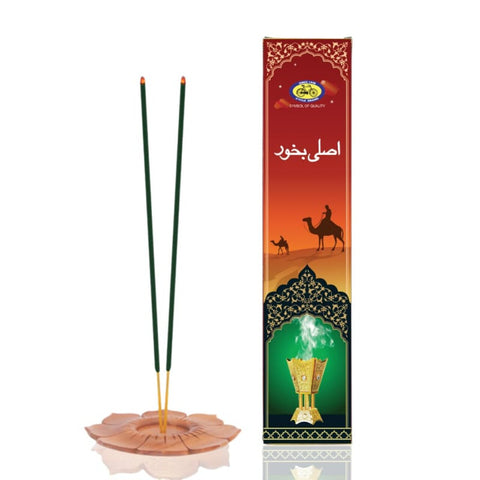
Light two agarbattiand rotate them thrice in a clockwise direction in front of the deity, beginning with the feet.
Deepa: Put Akshata near the Lamps placed on either side of the deity.
Naivedya: Draw a square with water on the right side of the deity. Put Haridra, Kumkum, Akshata, and a flower at the centre of the square and place a Naivedya bowl on it.
Naivedyam: Offer it to the deity. Sprinkle water with a flower from the Uddharane onto the Naivedyam. Put water around the Naivedyam with a flower; release water into the Arghya patra. Request the deity to accept Naivedya by showing your hands.
Tamboola: Prepare and place Tamboolam in front of the deity.
Sprinkle water with a flower from the Uddharane onto the Tamboola. Put water around the Tamboola with a flower; release water into the Arghya patra. Request deity to accept Tamboola.
Uttara Neerajana: Light the Karpoora in the Karpoora Holder, add Akshata, water, and a flower on the tip of the Karpoora Holder; where you hold.
Rotate it clockwise in front of the deity, and simultaneously ring the bell with your left hand.